Case studies

Case Studies

These project stories show the kind of practical work Harvtec can support across machinery fault finding, electrical diagnostics, plasma cutting, small controls and software/workflow support. They avoid naming customers until publication permission is confirmed.

Project stories

Recent practical examples

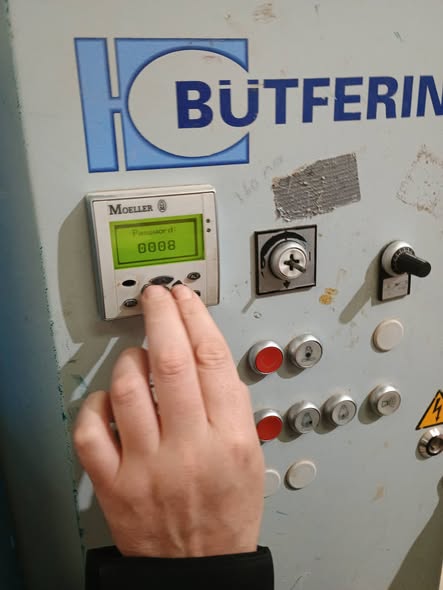
Industrial sander control panel during Harvtec fault investigation

Wide belt sander fault investigation

Harvtec investigated ongoing issues with an industrial wide belt sander, combining machinery knowledge, controls awareness and practical electrical fault finding.

  • Problem: recurring equipment issues needed a practical diagnosis before further repair decisions.
  • Approach: inspect the machine, controls and supporting evidence instead of treating it as a single-trade fault.
  • Outcome: clearer next actions for repair, maintenance and future fault finding.
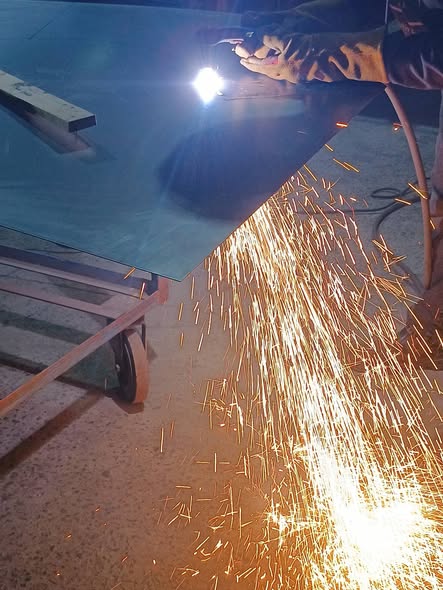
Plasma cutting work for a workshop repair

Plasma cutting and welding

Harvtec used practical cutting and welding support for repair and preparation work where a clean, hands-on workshop fix was needed.

  • Problem: a repair or adaptation needed practical cutting and welding support.
  • Approach: prepare the material, cut cleanly, weld where needed and keep the job focused on the required outcome.
  • Outcome: useful workshop support for a hands-on repair without overcomplicating the job.
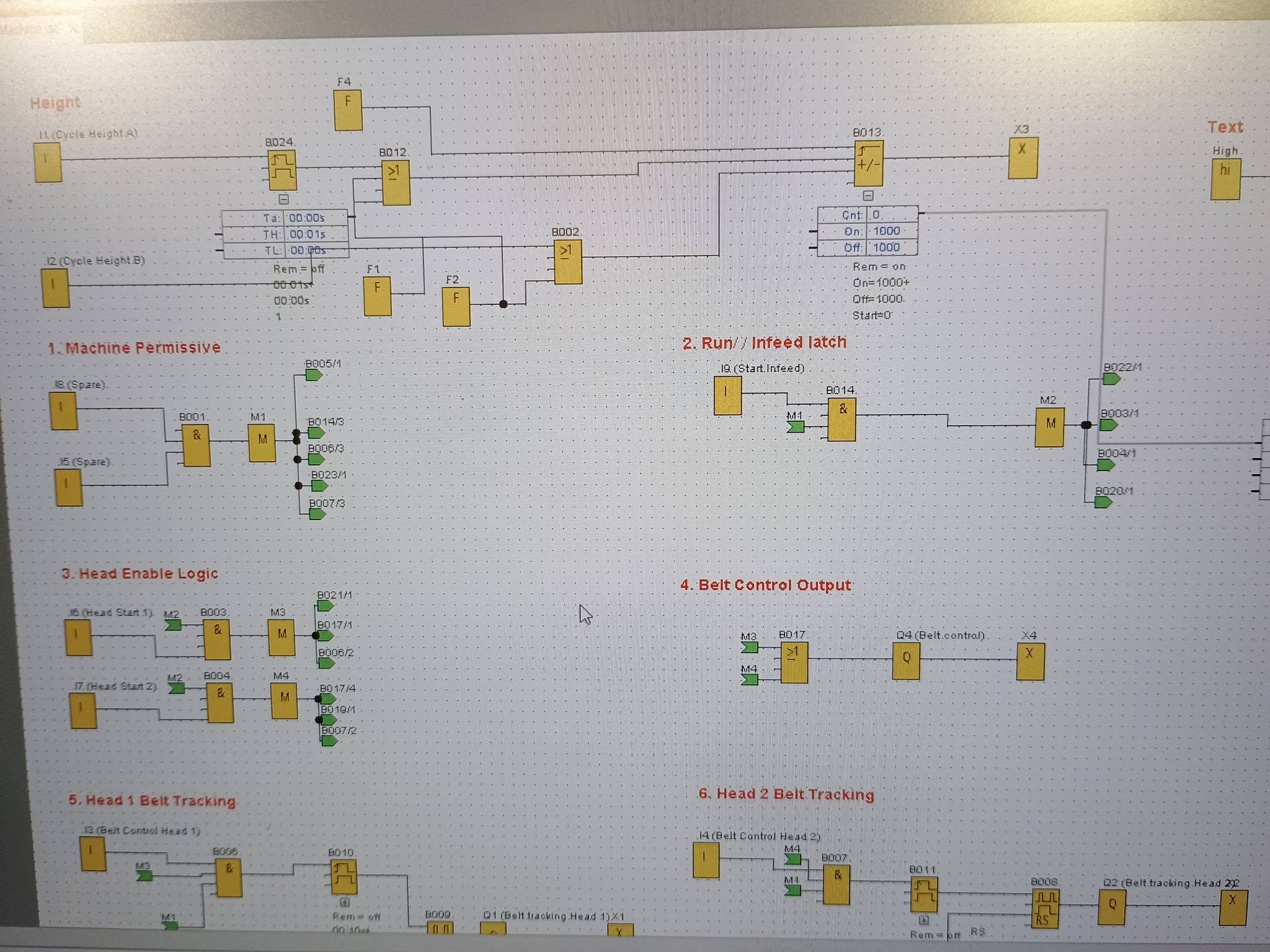
Function block programming for a Siemens LOGO 8 controller

Function block programming for Siemens LOGO 8

Harvtec Workshop can support small controls work, including function block programming where a simple controller needs clear logic and practical testing.

  • Problem: a small machine or control process needs simple, understandable logic rather than a large control-system project.
  • Approach: map the required permissives, latches, outputs and operator behaviour before testing the program.
  • Outcome: a clearer small-control setup that can be checked, adjusted and explained later.

Note

Approval before publishing

These summaries are based on public social updates and should still be checked against customer, site and partner permissions before adding names, exact locations or identifying details.